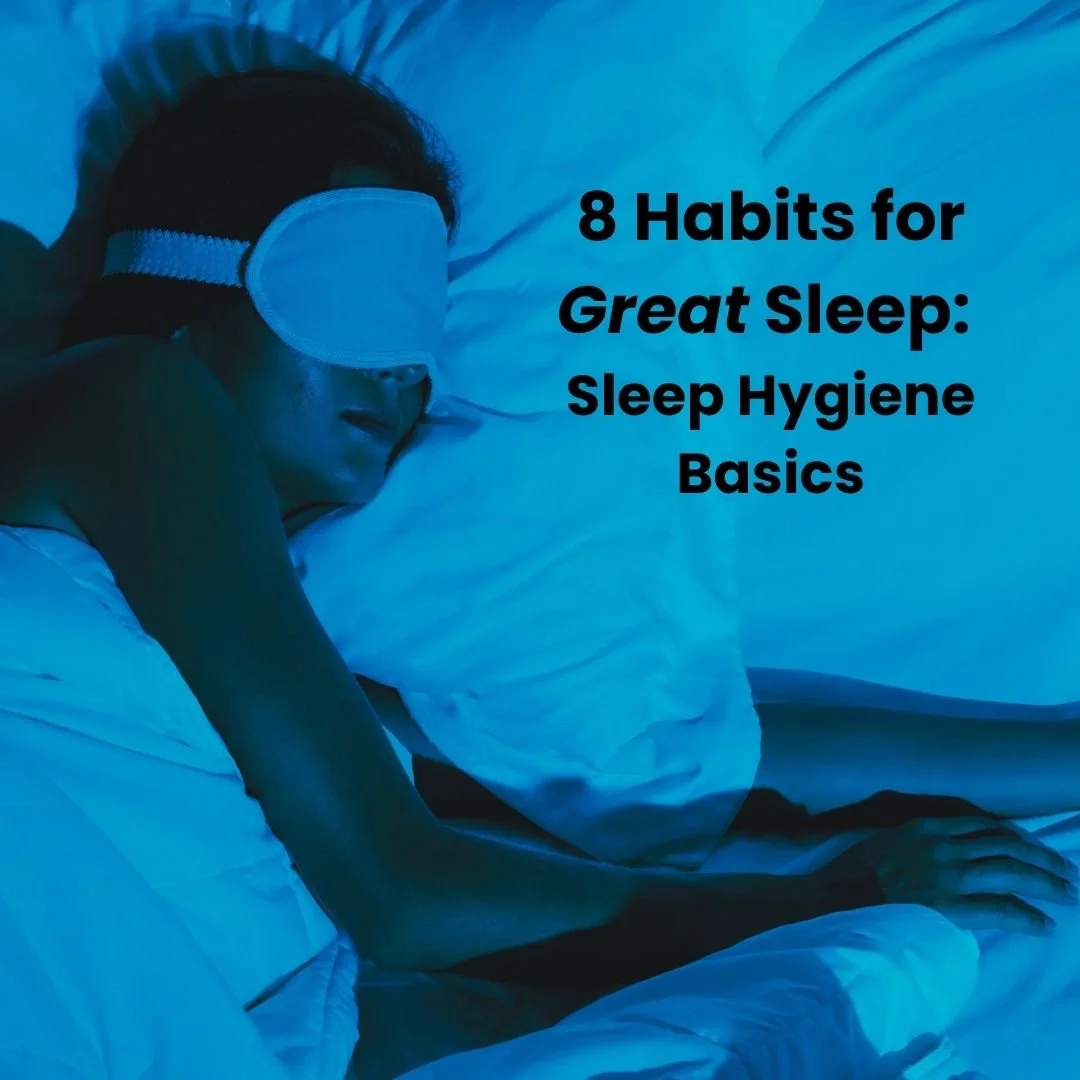
8 Habits that Support Great Sleep: Sleep hygiene basics
Everyone sleeps, but deep, high-quality, refreshing, great sleep takes some effort.
Whether you’re a decent sleeper already or you’ve been struggling with mediocre nights for years, a few habits done consistently have enormous payoffs for your sleep. Try these top 8 sleep hygiene habits. You won’t regret a great night of sleep!
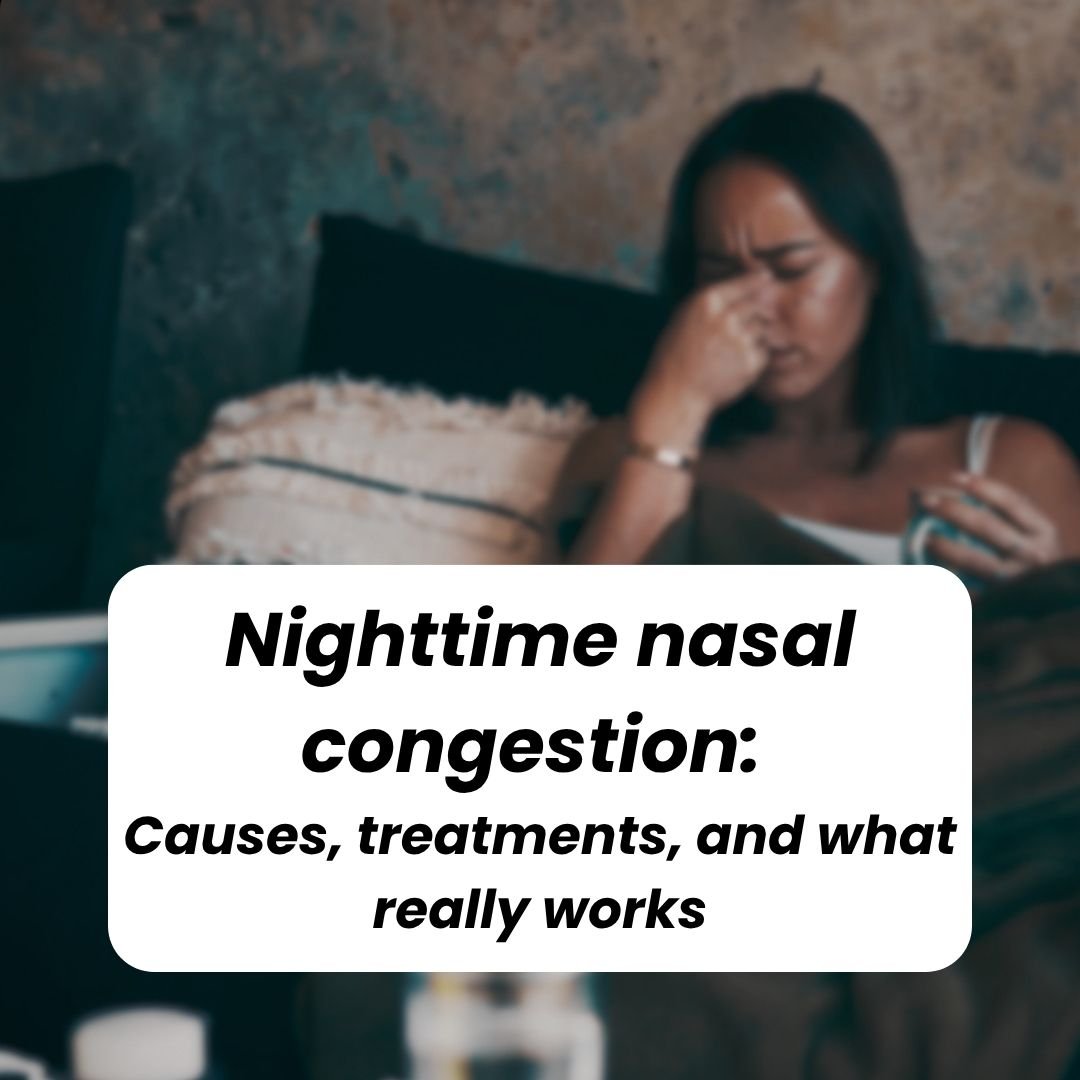
Nighttime Nasal Congestion: Causes, treatments, and what really works
Nighttime nasal congestion is one of the most common and frustrating barriers to good sleep. Many people breathe ok during the day, only to feel completely blocked the moment they lie down.
Problems with congestion spike during seasonal allergy season, which then get amplified at night due to a combination of allergic, physiologic, and environmental factors.
Continue reading to learn about the causes, treatments, and practical tips to reduce nighttime congestion.
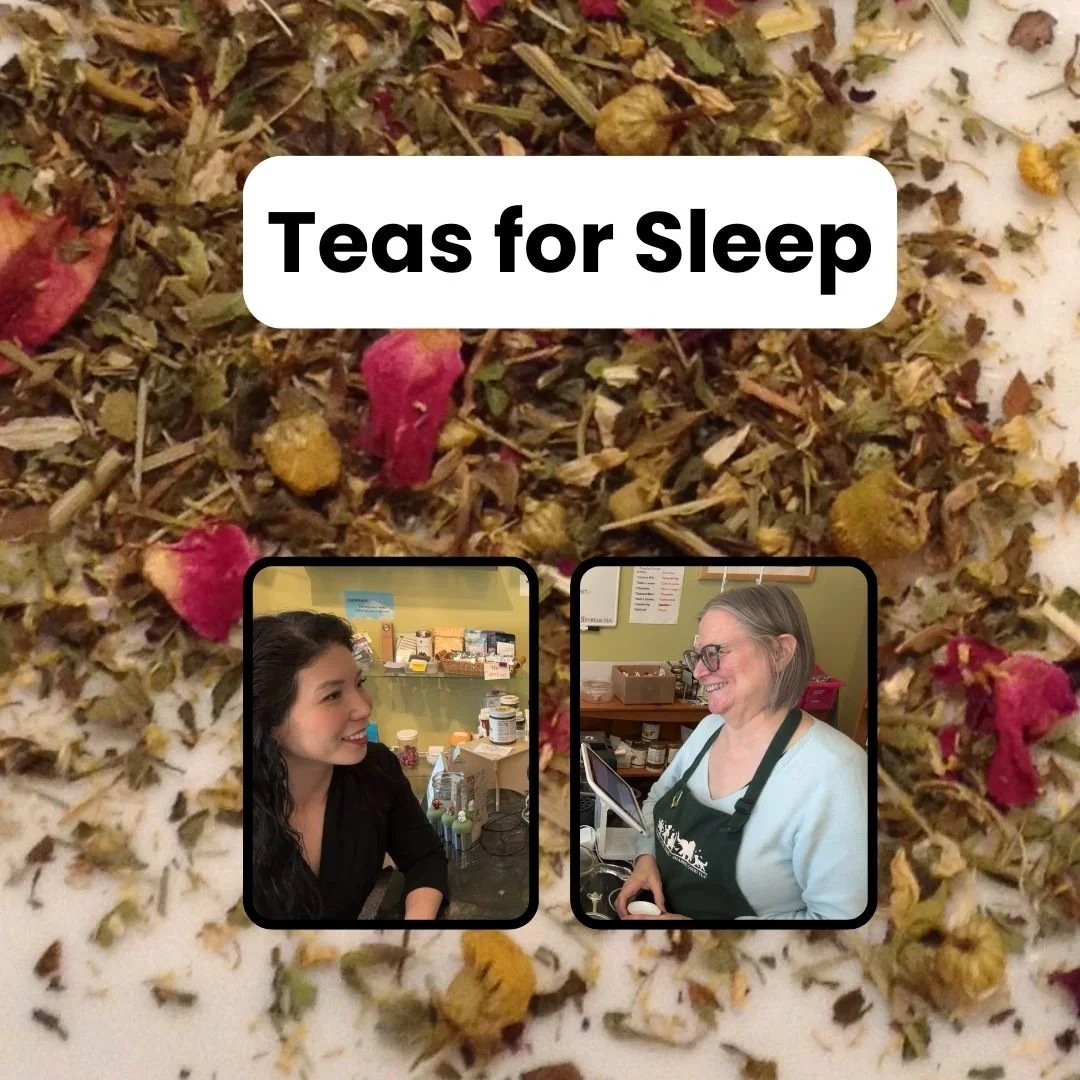
Teas for sleep
For centuries, cultures around the world have turned to herbal teas (tisanes) for their calming effects. I visited with Kateri Meyer, owner and proprietor of Traveling Tea, a local tea shop, to taste some sleepy teas and talk about the science and traditions behind teas.
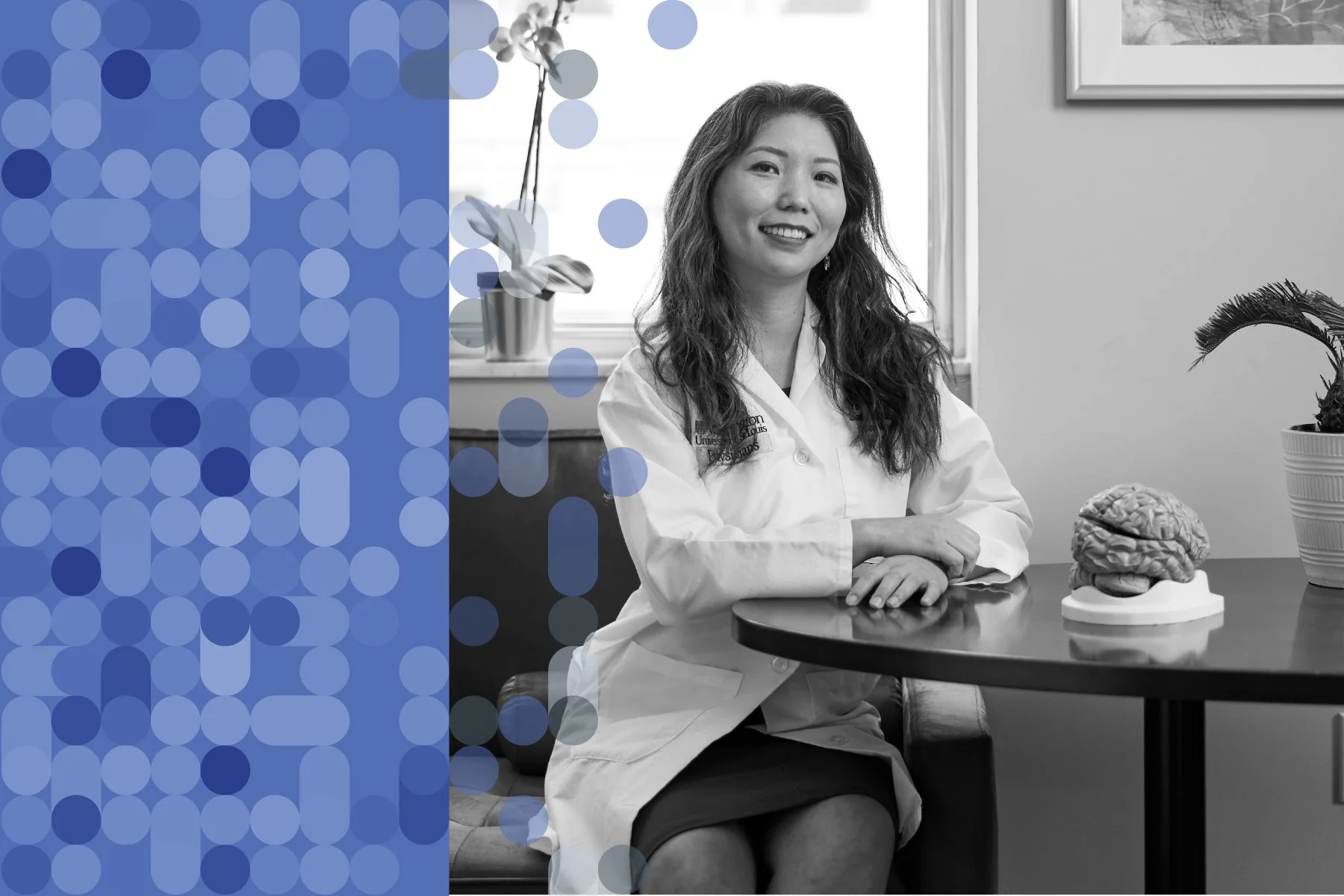
Interview with Dr. Eric Topol
Interview with Dr. Eric Topol about all things sleep for his website and podcast at Ground Truths.

School start times
Want to know one hugely impactful way to improve sleep and brain health in a whole city or state?
It’s having schools start at a healthy time — a time that lines up with students’ circadian rhythms.
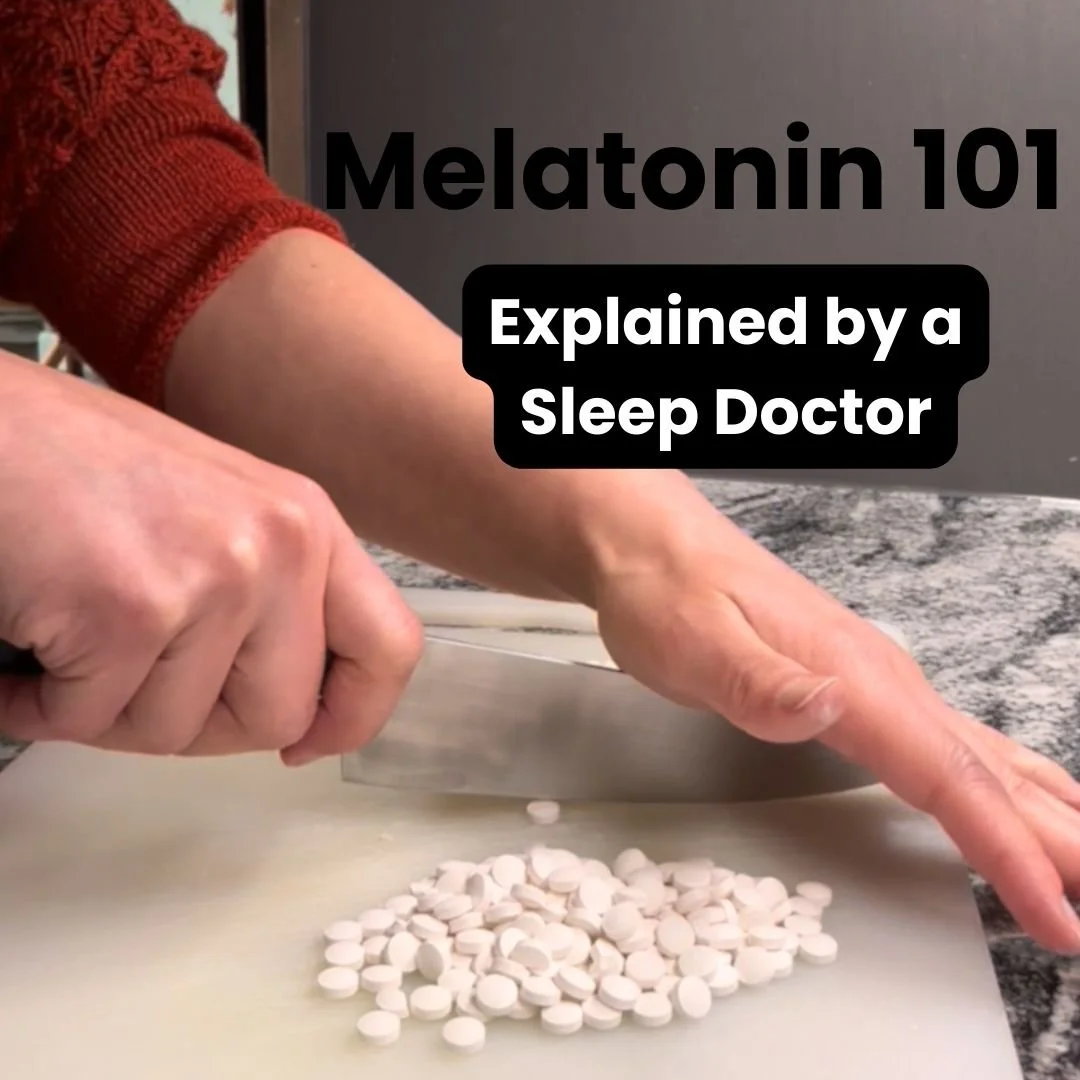
Melatonin 101
Melatonin is one of the most common over-the-counter remedies for sleep, and one of the topics I get the most questions about. Widespread use doesn’t mean melatonin is harmless, effective, or appropriate for everyone. Before you reach for another gummy, it’s worth understanding how melatonin works and how to maximize its effect.
Sleepmaxxing: Explained by a Sleep Doctor
“Sleepmaxxing” promises deeper sleep, better recovery, and sharper performance through elaborate protocols to “optimize” sleep. But does sleep really need to be maxxed? And what really works?
How to Take the Perfect Power Nap (backed by science)
Want a drug-free way to boost your brain performance, mood, and even athletic function? Sleep is, of course, the answer, but in the form of a strategic power nap.
FAQ: Does Alcohol Help or Hurt Your Sleep?
Alcohol is deeply embedded in social and cultural routines, and many people use alcohol to “unwind,” including to help fall asleep. But decades of sleep and neuroscience research show that alcohol consistently disrupts sleep quality, even when it might make people feel sleepy initially. Let’s answer the most common questions about alcohol and sleep, with sleep science.
Exercise for sleep - Part 3
We learned before about how much exercise helps with sleep, and the biological mechanisms that make exercise such a great sleep aid. Now let’s put this into practice — what type(s) of exercise, when, and how much exercise is best for sleep?
Exercise for sleep - Part 2
Exercise is simply nature’s best sleep aid. Physical activity does not just make us tired. Exercise sets off a coordinated set of biological signals that directly affect how well we sleep.
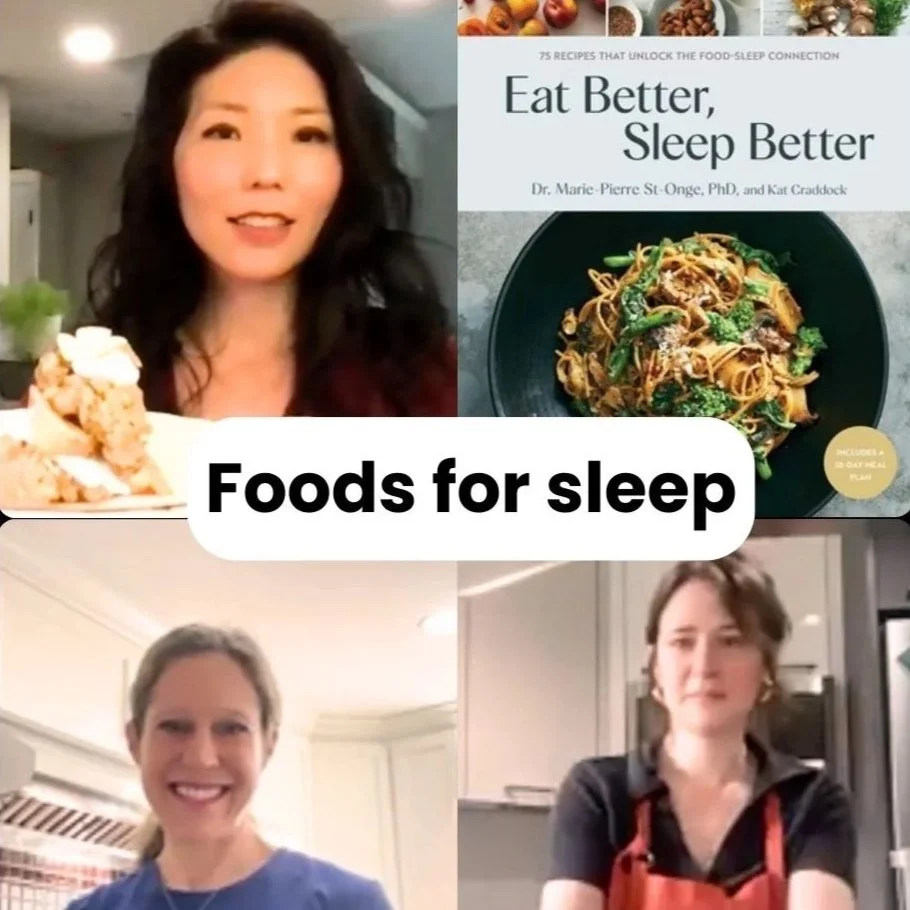
Foods for sleep
In this special post, sleep physician-scientist Dr. Yo-El Ju is joined in the kitchen by Dr. Marie-Pierre St-Onge, Columbia University nutrition scientist, and Kat Craddock, Editor in Chief and CEO of Saveur Magazine. Together, they prepare three recipes from the new cookbook Eat Better, Sleep Better, and unpack the science that connects food, circadian rhythms, and high-quality sleep.
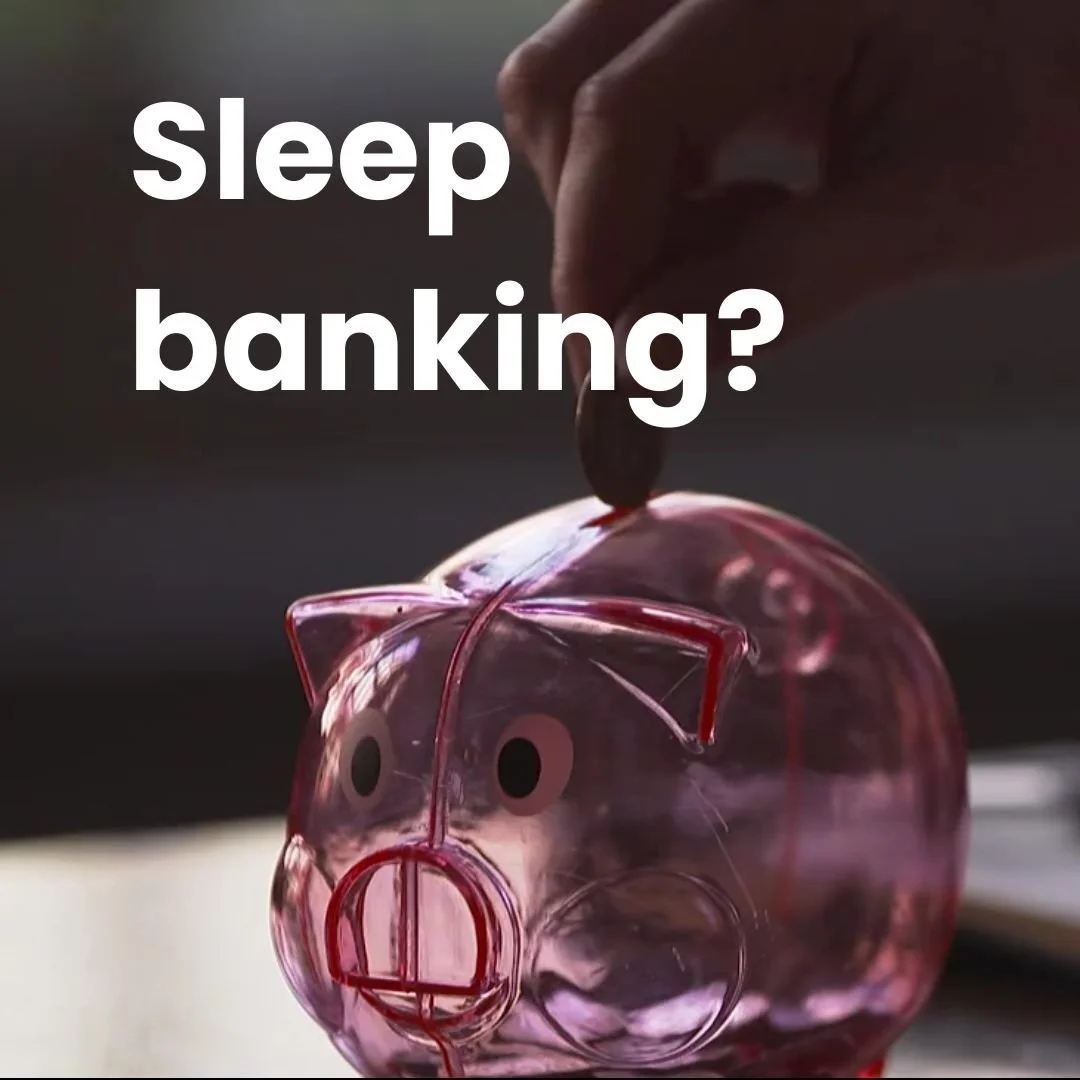
Sleep Banking
CNN Health interviewed me about “sleep banking,” when people sleep extra before anticipated sleep deprivation.
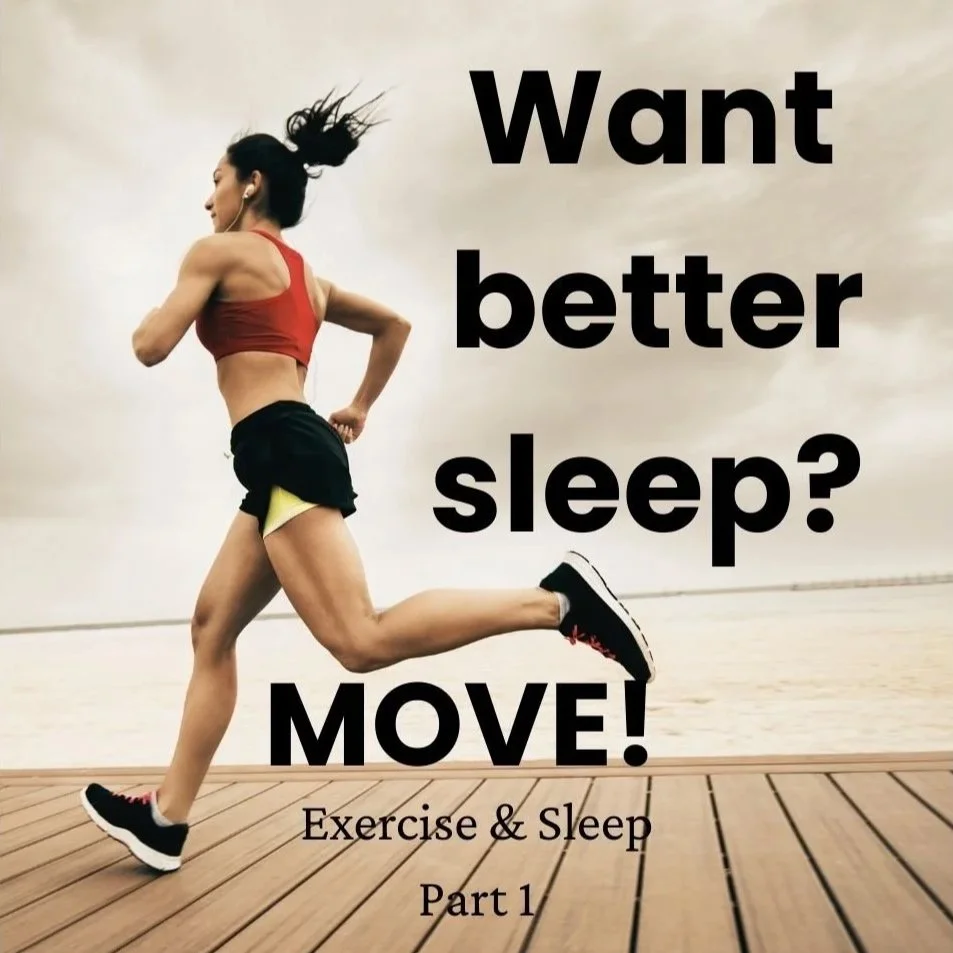
Exercise for sleep - Part 1
Exercise is one of the most powerful tools for improving sleep. We all know that exercise is good for our health, but most of us need some motivation. Let’s face it, it can take weeks, months, or years to get the cardiovascular and other health benefits of exercise. But exercise can improve sleep the very same night, so you can benefit right away! In this first of three posts, we’ll go over what the clinical trials show about the benefits of exercise on sleep.

How to cure jet lag - WESTward edition
How can we cure jet-lag (faster)? Use circadian and sleep science! ⏰🧪🎉 Here’s the science-backed guide for curing jet lag traveling WEST 6-8 time zones: Europe to US, Asia to Europe, or Continental US to Hawaii.
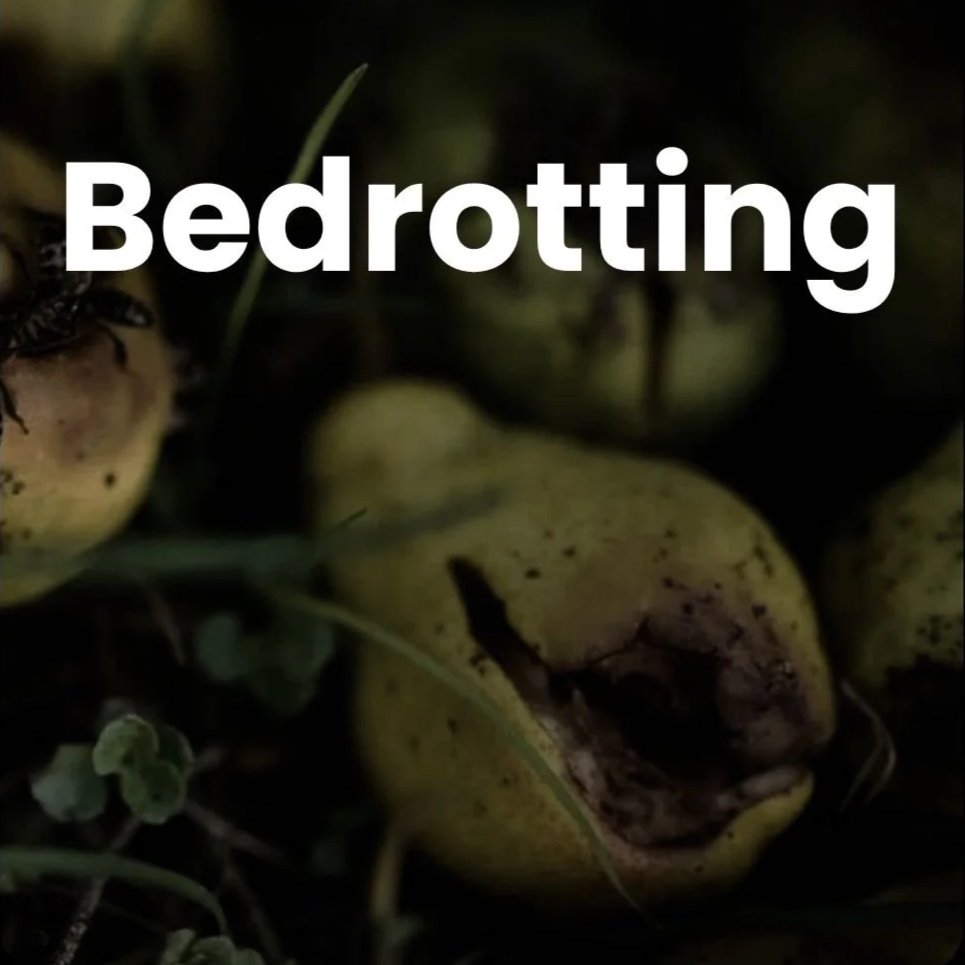
Bedrotting
The darker, colder months are upon us, and it’s tempting to flop in bed, or on the couch, and just be cozy and lazy all day. But is “bedrotting” really restorative self-care?
FAQ: Why do I wake up at 3am?
Here are 10 reasons you might be waking up at 3am, with clues and what to do for each one.

FAQ: Should I use a sleep tracker?
The answer is: You should get a sleep tracker only if it’s going to help you.
Let me explain.

Sleep and dementia
Dementia slowly steals memories, personalities, understanding, and the essence of self. More and more research shows a link between sleep problems and dementia, especially Alzheimer’s disease. Take a quick but deep dive into what we know so far about sleep and dementia.

Falling back: In defense of standard time
It’s that time of the year! No, not the holidays… Daylight savings time comes to an end soon. Yup, it’s time to “fall back” and we will all get an extra hour to sleep! As a night owl chronotype, it’s my favorite day of the year. Still, I would absolutely give up Fall Back day and get rid of daylight savings time, based on the science! Read on for why standard time is best for our health, and tips for the upcoming time change.
Bedtime Blueprint: A simple routine to sleep better tonight
Feel wired at bedtime? Struggle to switch off after a hectic day? This 5-step, science-backed bedtime routine is designed for busy people like you. Learn to unwind, fall asleep faster, and wake up refreshed.
Subscribe for your free copy of Bedtime Blueprint. You will also get updates* and a chance to read an advance copy of my upcoming book, Luminous: The 100-day, science-backed sleep glow-up for women at every age.
*No more than once per month, and no spam, ever. Unsubscribe anytime.